The History of New Year: From Ancient Rituals to the Modern Calendar
Why we celebrate New Year on January 1st and how traditions have evolved over millennia — from Babylon to the Gregorian calendar.
 🎭Culture & Sport
Photo: TSN
Key points
- Julian and Gregorian calendar reforms
- Origin of the month name January from Janus
- Diversity of New Year customs worldwide
The tradition of celebrating the New Year on January 1st has deep historical roots. Although this date is widely accepted today, humanity has not always followed a unified calendar, often basing the start of the year on natural cycles or religious observances.
From Caesar's Reforms to the Gregorian Calendar
Early celebrations, such as the Babylonian Akitu, were linked to the vernal equinox. However, it was the Roman ruler Julius Caesar who, in 46 BC, established the system where January 1st became the official start of the year. The month's name is derived from the god Janus, who had two faces looking into the past and the future, symbolizing the transition to a new cycle.
During the Middle Ages, European customs varied significantly, with the new year often marked on Christmas or Easter. Standardization only occurred after the introduction of the Gregorian calendar by Pope Gregory XIII in 1582, which aligned the calendar more accurately with the solar year.
Global New Year Traditions
- Spain: eating 12 grapes at the stroke of midnight to bring good luck.
- Japan: the Buddhist tradition of ringing bells 108 times to cleanse human passions.
- Italy: eating lentils, which are associated with wealth and prosperity.
For the residents of Pereiaslav, these facts serve as a reminder of how cultural context shapes our daily habits. Understanding the history of the holiday helps us realize that even fixed dates like January 1st are the result of long historical processes and reforms.
Source TSN — tsn.ua/tsikavinki/koly-sviatkuiut-novyy-rik-chomu-data-prypadaye-na-1-s… ↗
Read next
 🚨Events
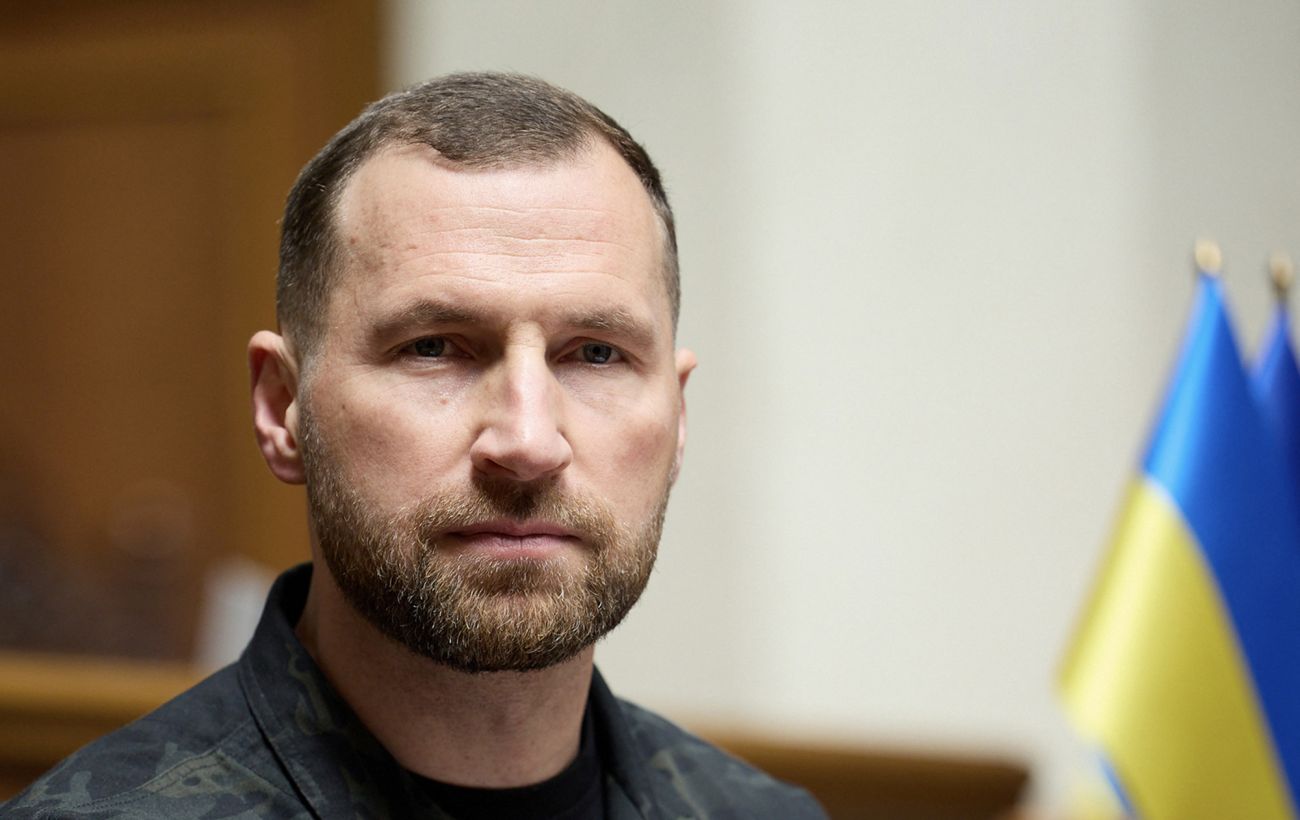
Russia ramps up ballistic missile production: Defense Minister reports increased strikes
Ukrainian Defense Minister Yevhen Khmara stated that Russia is accelerating ballistic missile production and intensifying strikes against civilian infrastructure.
 🛡️Security
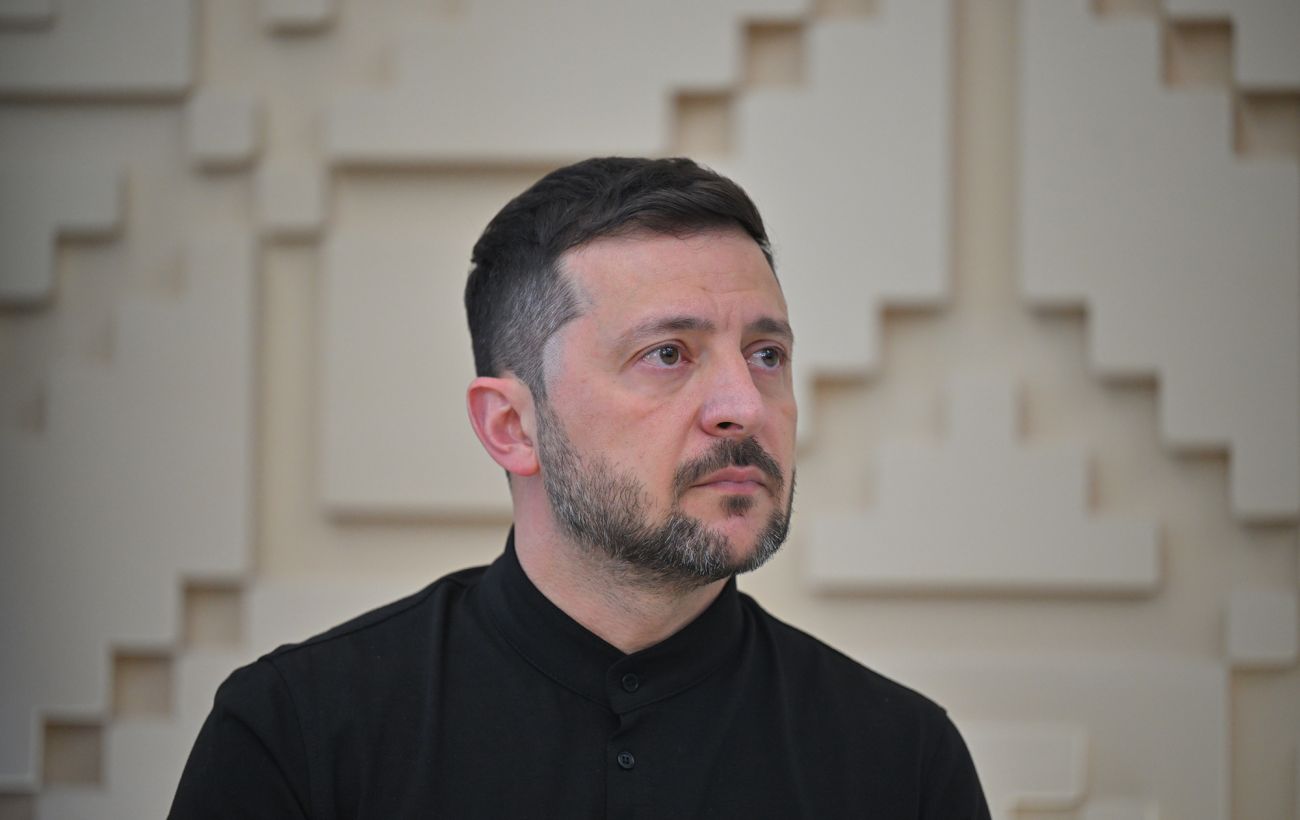
Ukraine to receive Swedish Gripen fighters in 2027
President Volodymyr Zelenskyy confirmed that the first Swedish Gripen fighters will enter service with the Ukrainian Air Force in January 2027.
 👥Society
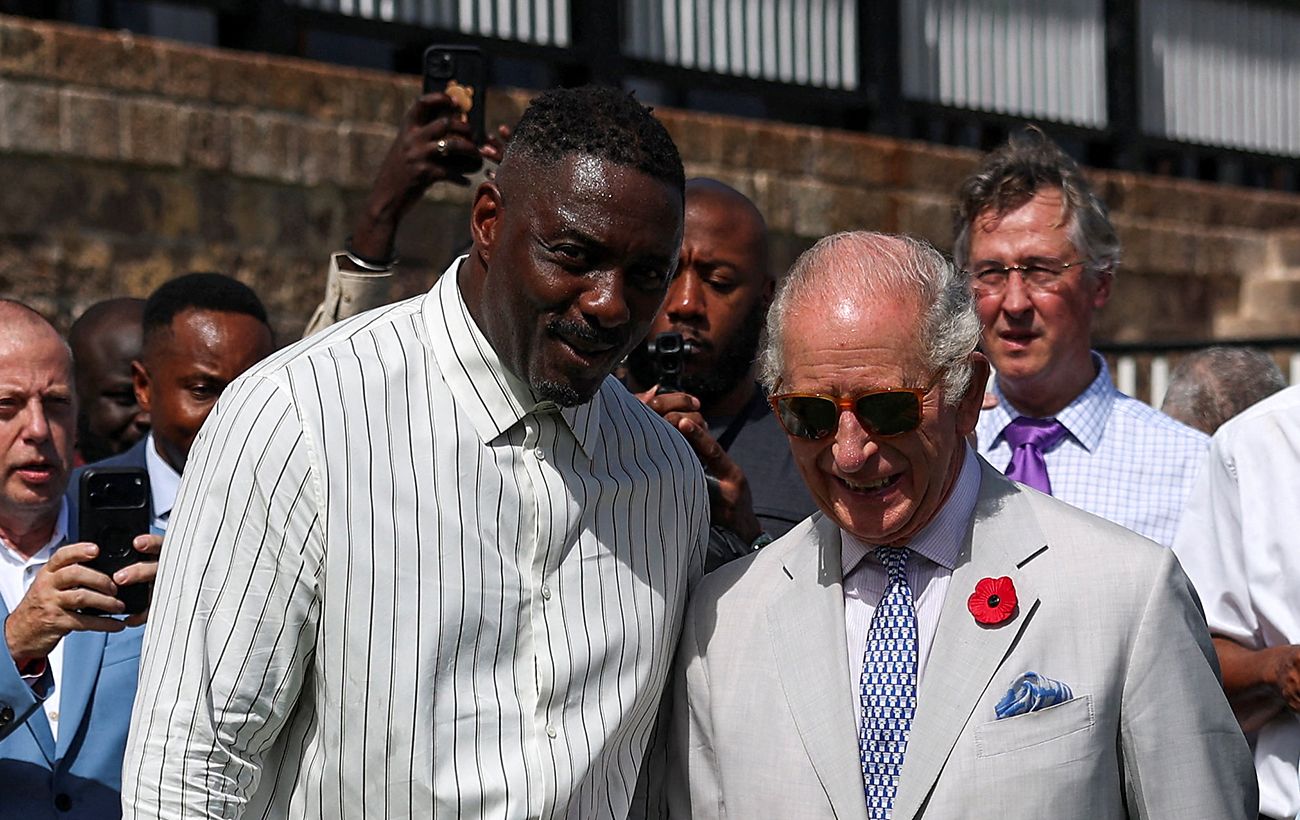
King Charles III and Idris Elba star in a new documentary about charity work
The British monarch and the actor discuss the impact of The King's Trust on youth development.
 🩺Health
Health Ministry expects sufficient flu vaccine supply in Ukraine: What Pereiaslav residents should know
The Ministry of Health has assured that flu vaccine supplies will be sufficient for the season, despite global production delays caused by updated WHO standards.
 👥Society
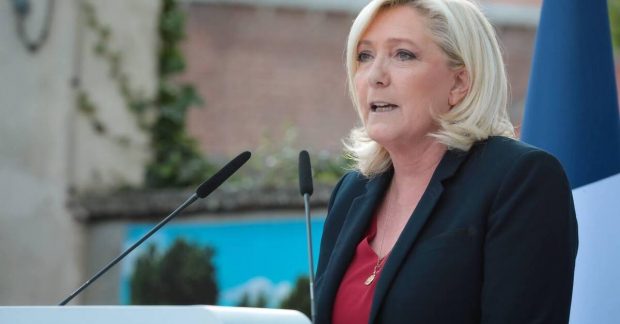
Marine Le Pen speaks out against Ukraine's EU integration
Leader of the French 'National Rally' party Marine Le Pen stated that she does not support Ukraine's accession to the EU or NATO.
 👥Society
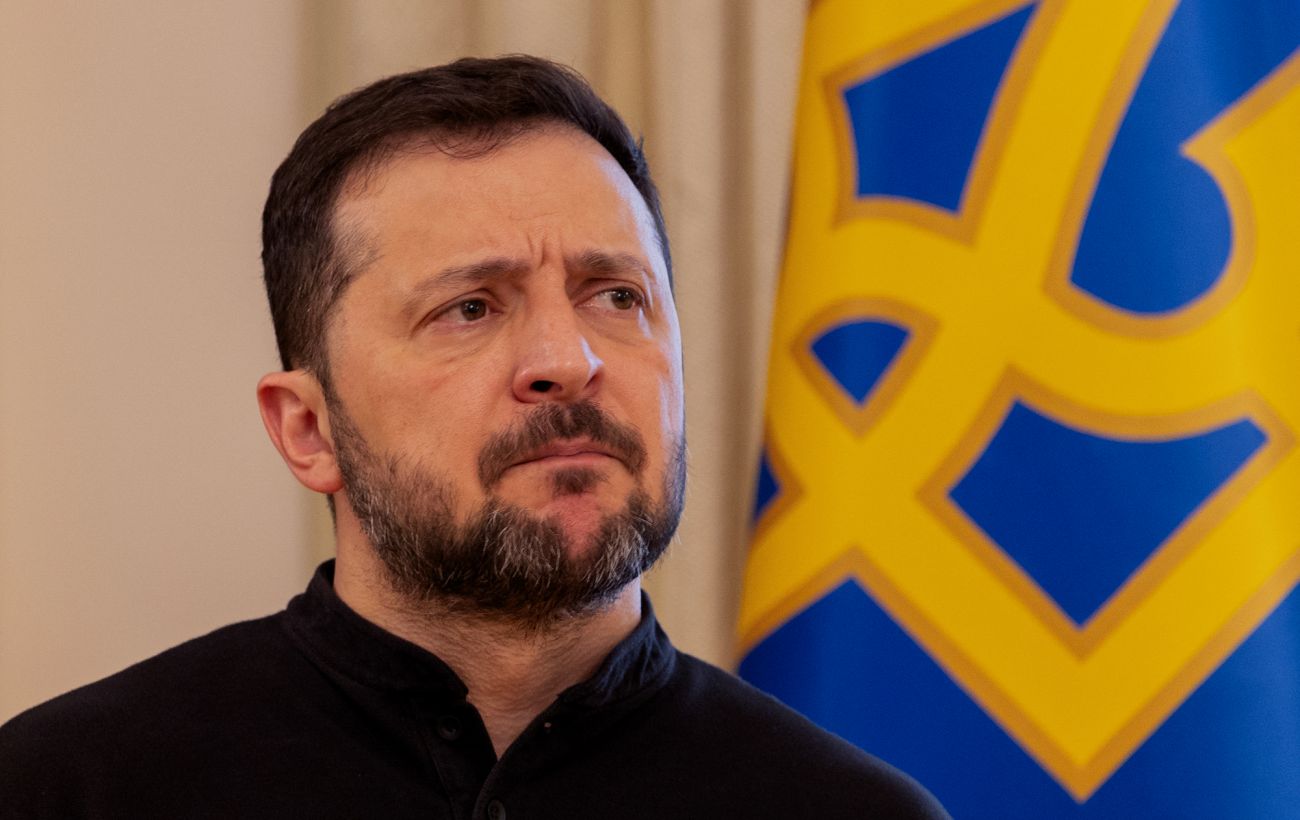
President warns of potential new massive missile attacks
Volodymyr Zelenskyy reported that Russia is preparing new strikes on Ukraine and emphasized the importance of strengthening air defense systems.